Architecting Enterprise Trust: The Bilateral API Entitlement Engine
Standardizing application registration and automated data stewardship to eliminate "Identity Debt" in high-compliance fintech environments.
The Strategic Problem Statement
Managing data at scale is fundamentally an exercise in Governance Logic. I architected Nexus Ops to bridge the gap between complex backend policy engines and the operational needs of Data Stewards. The system is designed to handle high-density metadata, ensuring that bilateral entitlements—the handshake between data consumers and providers—are transparent, auditable, and secure. This isn't just an interface; it’s a Decision-Support System for the bank's most critical assets.
The Governed Request: State-Machine Logic
To minimize operational risk, I implemented a State-Machine Logic for data requests. Every entitlement undergoes a rigorous lifecycle—from Pending and Under Review to Authorized or Revoked—ensuring that no data access is granted without a verifiable policy trail. I focused on 'Complexity Compression,' translating highly technical JSON policy schemas into an intuitive, high-density dashboard that prioritizes 'Actionable Exceptions' over static data noise.

I architected the dashboard around the principle of Actionable Exceptions. Instead of overwhelming Data Stewards with every log entry, the system uses conditional logic to surface only the requests requiring manual intervention (e.g., 'Policy Mismatch' or 'High-Risk Access'). This prioritizes system integrity and drastically reduces the cognitive load required to maintain enterprise compliance.
Bilateral Decisioning: Eliminating Context-Switching
Nexus Ops was built with an Infrastructure-First mindset. I worked closely with engineering to ensure that the UI components mapped directly to our backend API endpoints. By utilizing a standardized design tokens library and high-contrast accessibility standards, I ensured that the system is not only performant but also compliant with enterprise-grade security protocols. The result is a UI that functions as a seamless extension of the underlying data infrastructure.
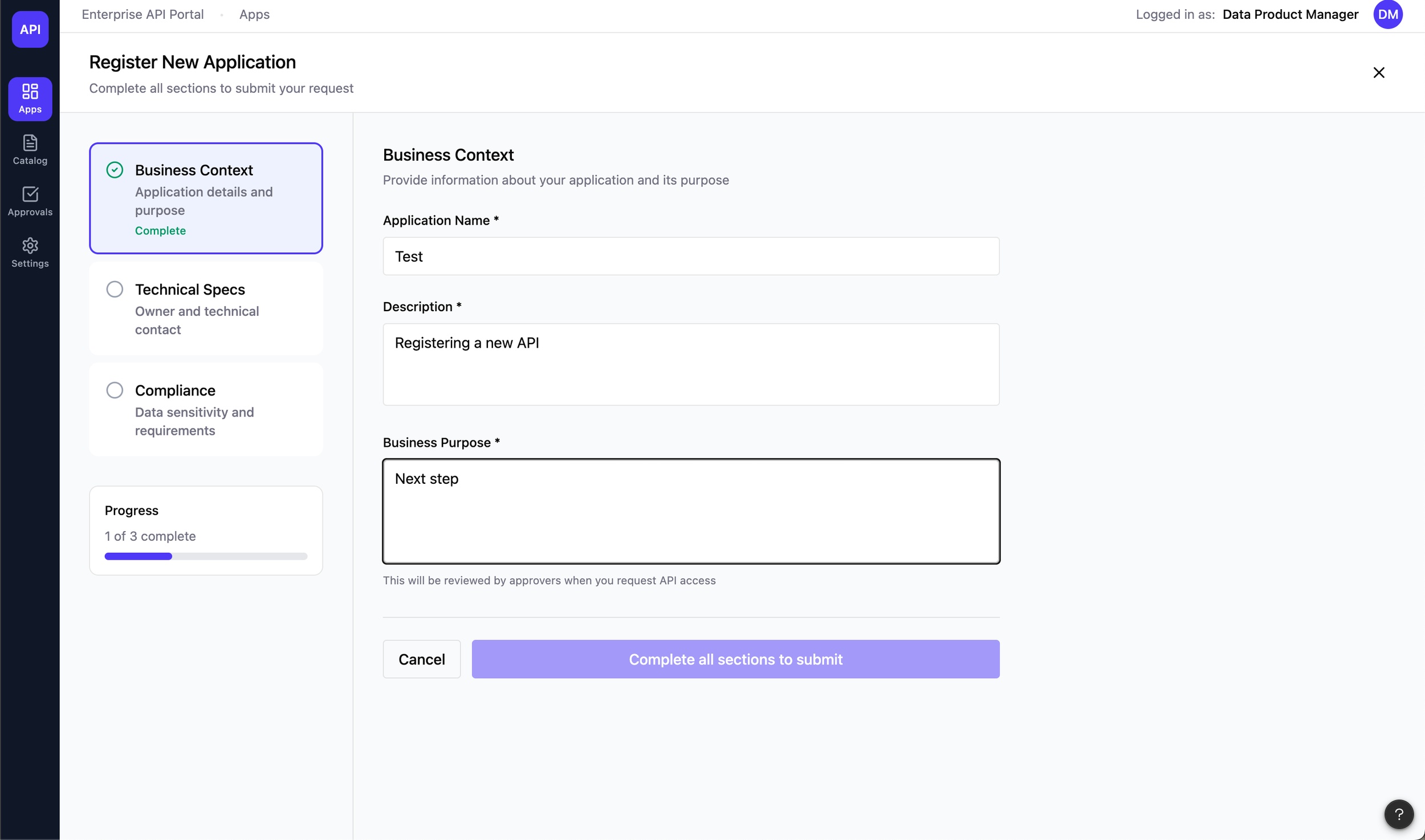
The following module simulates the Bilateral Entitlement Workflow. By selecting 'Request Access,' users initiate a state-machine transition that triggers automated policy validation and a Data Steward audit. This interaction model is designed to provide high-stakes clarity while preventing unauthorized data provisioning through accidental triggers.
Nexus Ops: Data Management serves as the definitive benchmark for Iterative Governance. It demonstrates that internal enterprise tools don't have to sacrifice usability for security. By architecting a system that learns from steward behavior and policy outcomes, I've ensured that the data ecosystem becomes more resilient and efficient with every entitlement granted.